

Hvor lang tid tager det at sende fra Kina? En komplet guide til online sælgere
En komplet guide til forsendelse fra Kina: sammenlign express-, luft-, sø- og jernbanefragt med hensyn til tider, omkostninger og faktorer, der påvirker leveringshastigheden for sælgere.
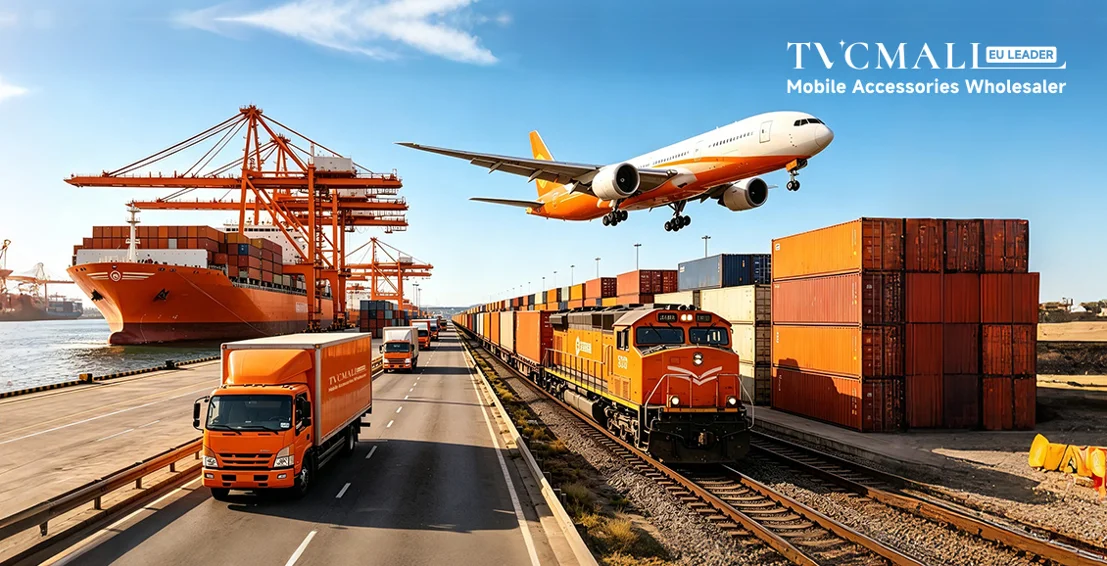
As a global e-commerce hub, China ships millions of packages every day through express, air, sea, and railway. Many independent online sellers often ask, "How long does shipping from China take?" Shipping time plays a key role in inventory planning, sales strategies, and overall customer satisfaction.
In this guide, we'll break down typical shipping timelines, key factors that affect delivery speed, cost-saving strategies, and how TVCMALL helps retailers streamline their shipping operations.
Average Shipping Time From China
Shipping time from China varies depending on the shipping method, destination, and product type. Below is a timeline of common shipping methods.
| Shipping Category | Shipping Method | Average Shipping Time | Best For | Notes |
|---|---|---|---|---|
| Express | DHL / FedEx / UPS | 3–7 days | Urgent restocking, high-value small orders | Fastest option with highest shipping cost |
| Air Freight | Standard Air / Air DDP / Door-to-Door Air | 7–15 days | Fast-moving SKUs, seasonal demand, mid-sized orders | Good balance between speed and cost |
| Sea Freight | LCL / FCL | 20–50 days | Large-volume shipments, bulk sourcing, mature products | Most economical option for large shipments |
| Rail Freight (EU) | Railway / Truck Freight | 15–25 days | Mid-volume shipments, stable replenishment cycles | Faster than sea, more cost-effective than air |
Note: Shipping time from China may vary depending on the origin, destination, customs clearance efficiency, and peak shipping seasons. As a result, actual delivery times may differ. Even with the same shipping method, transit time can also vary by route.
Main Shipping Methods From China
For online sellers, understanding different shipping methods from China is essential. Each logistics option offers different levels of speed, cost, and reliability, which directly impact delivery timelines, inventory planning, procurement costs, cash flow, and overall customer experience.
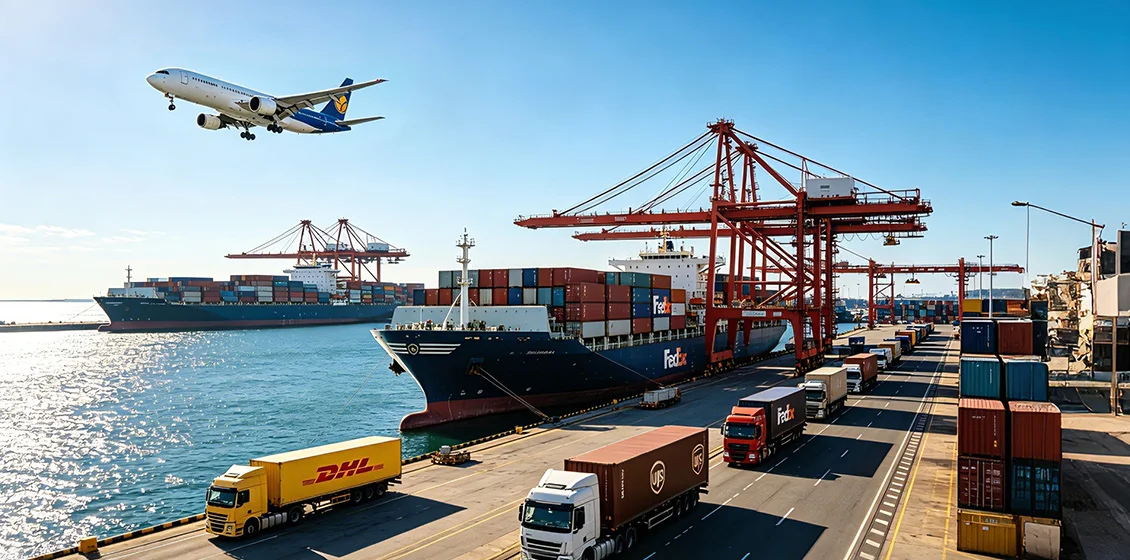
In the sections below, we'll break down each shipping method to help you choose the most suitable solution for your business needs.
Express Shipping: 3-7 Days
Express shipping is the fastest shipping option from China. Most shipments are handled by DHL, FedEx, or UPS, making it a dependable solution for online sellers. It is especially suitable for urgent restocking and small, high-value orders where speed is a priority.
Shipping Process
Factory shipment → Courier pickup → Air transportation → Customs clearance → Local delivery → Customer signature
This is a fully door-to-door service, so sellers do not need to manage local delivery separately.
Shipping Cost
It is the most expensive logistics option. Pricing is based on either actual weight or volumetric weight, depending on which is greater.
Air Freight: 5-12 Days
Air freight is a widely used logistics solution for cross-border trade, offering fast delivery and reliable transit schedules for medium to high-priority shipments.
Shipping Types
Common options include standard air freight, expedited air services, cost-saving economy routes, charter flights, and integrated door-to-door solutions, depending on shipment urgency and budget.
Shipping Cost
Air freight costs are calculated using the higher of actual weight or volumetric weight.
● Lower cost than express delivery services
● Heavily affected by shipment size and weight
● Commonly used for mid-range order volumes
● More cost-effective for bulk e-commerce shipments
Sea Freight: 20-50 days
Sea freight is one of the most commonly used bulk shipping methods from China. It offers large shipping capacity and low unit cost, making it ideal for long-term inventory planning and bulk procurement.
LCL vs. FCL
Sea freight is typically divided into two types: LCL (Less than Container Load) and FCL (Full Container Load), depending on shipment size.
● LCL is a shared shipping solution where multiple shipments are combined in one container, suitable for flexible and smaller orders.
● FCL uses a full container for a single shipment, making it more cost-efficient for large-scale procurement and stable inventory planning.
Sea Freight Timeline
● Factory preparation: 1-5 days
● Cargo loading & consolidation: 3-7 days
● Export customs clearance: 2-5 days
● Ocean transportation: 10-30 days
● Destination customs clearance: 3-7 days
● Local delivery: 2-5 days
Note: Actual shipping time may vary based on route, customs efficiency, and destination requirements.
Rail Freight: 15-25 days
Rail freight is a logistics solution mainly used between China and Europe. It moves goods via the China–Europe railway network to major European cities, followed by local truck delivery.
Compared with sea freight, rail freight is faster due to the shorter distance. It also benefits from a mature rail network and strong policy support, offering a good balance between speed and cost for cross-border shipments.
Summary of Average Shipping Times
| Destination | Express Shipping | Air Freight | Sea Freight | Rail Freight |
|---|---|---|---|---|
| United States | 3–5 days | 5–10 days | 20–35 days | / |
| Major European Countries | 3–7 days | 6–12 days | 20–50 days | 15–25 days |
| Canada | 4–7 days | 6–12 days | 20–40 days | / |
| Australia | 3–6 days | 5–10 days | 20–35 days | / |
| Southeast Asia | 2–5 days | 4–8 days | 10–25 days | / |
| Middle East | 4–7 days | 6–12 days | 20–50 days | / |
Factors That Affect China Shipping Times
A clear understanding of the factors that influence shipping time helps online seller plan more efficiently and avoid unnecessary delays.
1. Distance between origin and destination
Shipping time is mainly affected by distance. In general, the farther the destination, the longer the transit time. Local logistics infrastructure can also impact final delivery speed.
2. Shipping Method
Different shipping methods vary significantly in transit time. Express delivery is typically the fastest, followed by air freight and rail freight, while sea freight is the slowest.
3. Customs clearance
Policies, inspections, and documentation requirements vary by country and can affect release speed, making delays a common cause of longer transit times.
4. Peak Seasons
Peak seasons such as Black Friday and Christmas often create high shipping demand, which can lead to tighter capacity, customs congestion, and extended transit times.
5. Weather
Severe weather, such as storms, typhoons, fog, or snow, can disrupt transport schedules and cause shipping delays.
How to Improve Delivery Efficiency When Shipping from China?
While weather and peak-season pressures are unavoidable, shipping efficiency can still be improved through better planning across key stages, including:
● Choose the right shipping method based on urgency
● Use reliable express carriers such as DHL, FedEx, and UPS
● Ensure complete and accurate documentation
● Avoid peak shipping seasons when possible
● Apply consolidated shipping for bulk or multi-SKU orders
These practices can improve shipping efficiency. However, for many cross-border businesses, managing sourcing, logistics, and customs on their own can still be complex and resource-intensive. By sourcing through TVCMALL, sellers can simplify their logistics process and reduce day-to-day operational work.
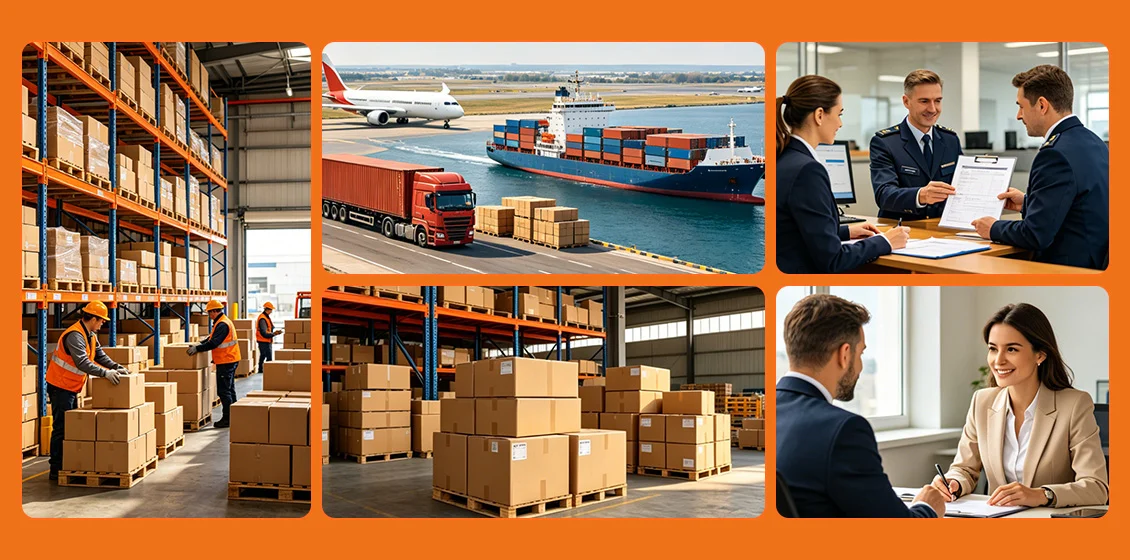
1. 3-5 Day Lead Time
Orders are typically prepared within 3–5 days, with small batches processed in 1–3 days, allowing for quicker turnaround and faster shipment processing.
2. Flexible Shipping Solutions
TVCMALL supports a variety of logistics solutions, including express, postal, air, sea, and rail shipping. Customers can select the most efficient option based on product type, cost, and delivery timelines.
Customized logistics solutions are also available, along with access to additional carriers and tailored quotations when required.
3. Customs Clearance Support
Support is provided for preparing essential shipping and customs documents, helping reduce clearance risks and ensuring smoother, more efficient customs processing.
4. Consolidated Shipping Service
Orders from multiple suppliers or SKUs can be consolidated into a single shipment before dispatch. This reduces fragmented deliveries, improves handling efficiency, and helps lower overall shipping costs.
It is especially useful for trade shows, seasonal stock preparation, and fast-moving product categories that require flexible inventory management.
5. 1-1 VIP Support
Dedicated one-on-one support assists with any issues during the purchasing process, ensuring smoother and more controlled order execution. The team also recommends suitable logistics providers based on specific requirements and supports annual or phased purchasing plans to help customers better manage inventory and shipping.
Real-World Example
A mobile accessories retailer in Europe had long been sourcing from a single wholesale platform. Over time, the retailer faced longer shipping cycles, slower response times, and delayed customer support, which affected overall inventory turnover efficiency.
To improve this, the retailer began working with TVCMALL and gradually integrated it into their sourcing strategy. This decision was driven by faster product preparation (3–5 days), more flexible logistics options, and support in optimizing restocking based on sales and inventory levels.
As a result, the retailer improved order processing speed, stabilized inventory turnover, and moved to a more efficient sourcing model.
Conclusion
Shipping from China usually takes anywhere from a few days to several weeks, depending on the shipping method, destination, customs clearance, and peak seasons. Express is the fastest option, while sea freight is slower but more cost-effective.
For online sellers, understanding these differences helps with better inventory planning, cost control, and customer satisfaction. Choosing the right shipping method based on urgency and product type can make the supply chain more stable and predictable.
If you have any questions about shipping, feel free to contact us anytime.
FAQ
1. What is the fastest shipping method from China?
International express services such as DHL, FedEx, and UPS are the fastest options, with typical delivery times of around 3–7 days. They are best suited for urgent shipments or small, high-value orders.
2. How much is shipping from China?
Shipping costs from China vary depending on the shipping method, weight, volume, and destination. In general, express shipping is the most expensive, air freight is mid-range, and sea freight is the most affordable option. For larger shipments, the cost per unit is usually lower.
Estimated Shipping Costs from China
| Shipping Method | Typical Cost Range | Best For |
|---|---|---|
| Express (DHL / UPS / FedEx) | $5–15/kg | Small, urgent parcels, samples |
| Air Freight | $3–8/kg | Medium shipments, faster delivery needs |
| Sea Freight | $0.5–2/kg | Large bulk orders, lowest cost per unit |
| Rail Freight | $2–6/kg | Mid-cost shipments, stable routes to nearby regions |
3. How to reduce shipping costs when importing from China?
You can lower overall shipping costs by choosing the right shipping method, consolidating orders, optimizing packaging to reduce volume weight, and planning inventory and replenishment in advance.
4. How long does sea freight take from China?
Shipping from China to the USA by sea usually takes around 20–35 days. During peak seasons or port congestion, it may take up to 35–50 days.
5. How to track my package during transit from China?
Yes, most shipping methods from China offer tracking services. Express shipping provides real-time updates, while air freight and sea freight also allow tracking of key shipping milestones throughout the transit process.
Skriv en kommentar
Din e-mailadresse vil ikke blive offentliggjort. Påkrævede felter er markeret med *



Hold dig opdateret med TVCMALLs engros
Tilmeld dig gratis til vores blog og få ekspert råd, brancheindsigt og de bedste engrosudvalg. Øg dine salg med TVCMALL i dag!