


EU Packaging Regulations (PPWR) 2026: The Ultimate Packaging Compliance Guide for Online Sellers
Understand EU PPWR 2026 packaging requirements for online sellers. Learn about EPR, packaging documents, labeling, recyclability, and compliance tips.
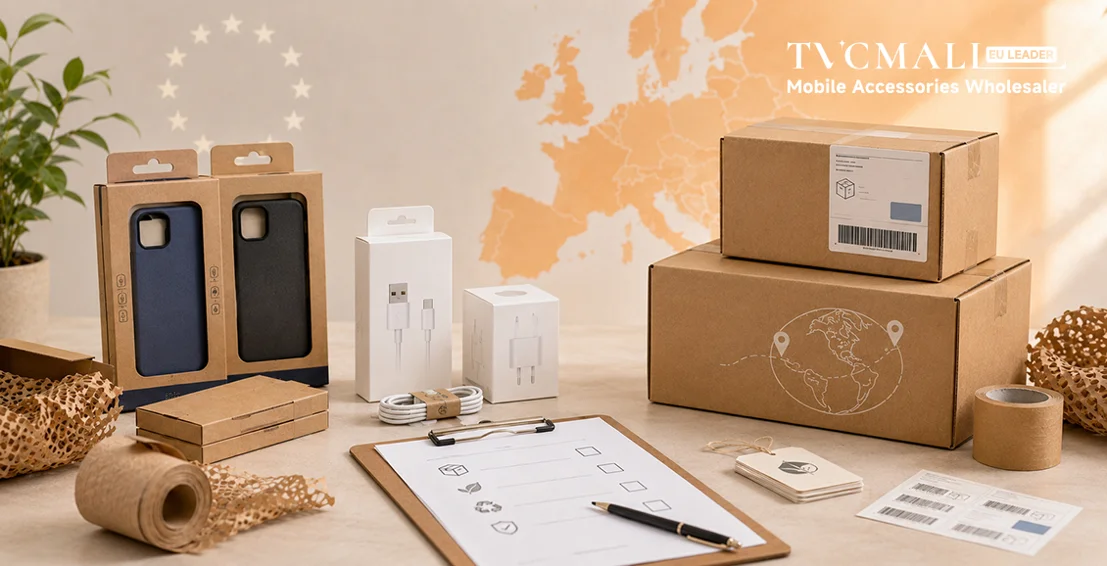
The EU Packaging and Packaging Waste Regulation (PPWR, EU 2025/40) has officially entered into force and will take effect on August 12, 2026. The regulation replaces the previous packaging waste directive and sets new requirements for packaging materials, recyclability, labeling, and producer responsibilities.
For cross-border businesses selling mobile accessories and consumer electronics in the EU, packaging compliance is becoming an important consideration across the supply chain, not just a task managed by packaging suppliers.
What changes will PPWR bring, and how can sellers get ready? In this guide, we'll break down the main requirements, from EPR registration and packaging documents to material standards, labeling rules, and upcoming changes.
What Is PPWR and Why Does It Matter for Sellers?
PPWR (EU 2025/40) is the EU's new regulation on packaging and packaging waste. It aims to reduce packaging waste, improve recyclability, and encourage more sustainable packaging design.
The regulation covers packaging placed on the EU market, regardless of the material used or where the packaging is produced.
For sellers, packaging is now an important part of preparing for the EU market. This includes product boxes, plastic bags, inserts, labels, and shipping materials, all of which may need to meet PPWR requirements.
For example, a phone case may meet all the necessary product requirements, but non-compliant packaging could still create problems when selling the product in the EU.
Packaging Compliance Responsibilities
Many wholesale buyers assume that packaging compliance is the supplier's responsibility because the packaging is provided by the factory. However, under PPWR, businesses selling products under their own brand or name in the EU still need to ensure their packaging meets relevant requirements.
Sellers should confirm:
- Packaging materials used
- Compliance with EU requirements
- Available test reports
- EPR registration status
- Required compliance documents
Working with suppliers to collect and manage packaging information will help sellers prepare for EU market requirements.
EU PPWR Checklist for Online Sellers
1. Register for Packaging EPR in Your Target Markets
EPR requires sellers to take responsibility for the packaging they place on the EU market, including reporting and recycling obligations.
A common mistake is assuming that EPR registration in one country covers the entire EU. In reality, requirements can vary by market, and sellers may need to manage registration and packaging data separately for each country.
Keep track of your sales countries, EPR registration status, registration numbers, and contact details to manage packaging compliance more efficiently.
2. Prepare Packaging Documentation and Declaration of Conformity
PPWR requires sellers to keep clear records showing that their packaging meets EU standards. For every packaging type used in the EU market, sellers need to prepare technical documentation and a Declaration of Conformity (DoC).
This includes information about packaging materials, test results, and specifications. The responsible business must sign the DoC and take responsibility for compliance.
To prepare, sellers should request packaging details and test reports from suppliers in advance. All related documents should be kept for 5–10 years and submitted within 10 days if required by regulators.
3. Check Packaging Material Safety
PPWR sets limits on harmful substances in packaging. The combined amount of lead, cadmium, mercury, and hexavalent chromium must not exceed 100 mg/kg. This applies to the entire package, including coatings, printing inks, adhesives, and labels.
For food-contact packaging, sellers also need to check requirements for substances such as PFAS.
If you sell mobile accessories or consumer electronics in the EU, check the materials used for your product boxes, plastic bags, inserts, and labels, and make sure the relevant test reports and compliance documents are available.
4. Update Your Packaging Labels
Starting August 12, 2026, packaging sold in the EU must include important identification information, including:
- Model number, batch number, or SKU
- Company name or trademark
- EU contact details
Sellers should check their existing packaging and coordinate with suppliers to update labels when needed.
More labeling requirements will follow, including classification labels in 2028 and reusable packaging labels in 2029.
5. Improve Packaging Recyclability
Starting August 12, 2026, packaging sold in the EU must be designed for recycling. Sellers should review their packaging and consider simpler options, including single materials, fewer material combinations, easier-to-separate structures, and clear material information.
More detailed recycling rules will follow. From 2030, packaging will be rated as A (≥95%), B (≥80%), or C (≥70%) based on recyclability. C-grade packaging will be phased out from 2038.
6. Reduce Unnecessary Packaging
From 2030, PPWR will set new requirements to reduce unnecessary packaging waste.
E-commerce packaging will need to limit empty space to 50% or less and avoid designs that use extra materials, such as double walls or false bottoms. Sellers can start by choosing better-sized packaging and reducing excess materials, which can also help lower shipping costs.
PPWR Compliance Timeline for Sellers
| Timeline | What Sellers Should Do |
|---|---|
| Start now | Review all packaging used for EU sales and collect material information |
| Before August 12, 2026 | Complete key compliance steps, including EPR registration, DoCs, technical documentation, and packaging label checks |
| Ongoing | Improve packaging design and recyclability, and keep up with future PPWR requirements |
TVCMALL Helps Sellers Prepare for the EU Market
As PPWR requirements take effect, sellers need to think about packaging earlier when developing products or expanding into the EU market. Existing products may need packaging updates, while new products can benefit from early planning to avoid changes before launch.
For mobile accessories businesses, packaging requires careful planning across design, materials,labels, and suppliers. That's where TVCMALL comes in, helping sellers simplify product preparation with sourcing and packaging service support for different markets.
Custom Packaging Solutions for Different Market Needs
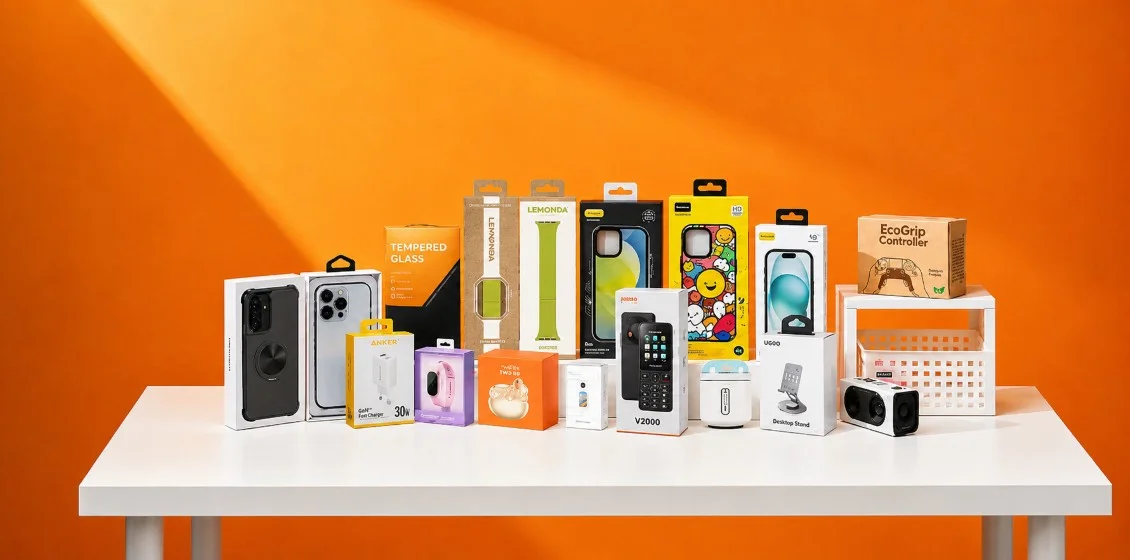
Whether you are updating existing packaging or preparing a new product line, TVCMALL helps sellers plan packaging based on their product needs, sales channels, and target markets.
Sellers can work with the TVCMALL team on:
- Custom packaging & labelling design
- Packaging material selection
- Brand customization
- Bulk packaging solutions
From phone cases and chargers to cables and other mobile accessories, sellers can create packaging that is consistent with their products and ready for different markets.
Planning packaging earlier helps reduce changes later and brings products to market with greater confidence.
Flexible Supply Chain Solutions for Growing Businesses
As packaging requirements evolve, sellers need to consider more than compliance. They also need the right products, trusted suppliers, and a sourcing process that keeps business moving.
With TVCMALL, businesses can:
- Discover 1.2M+ products
- Access trending products based on market demand
- Source from 1000+ reliable suppliers
- Consolidate orders in one place
- Scale purchasing with flexible options
- Support packaging customization for different markets
- Manage products more efficiently with API integration
By connecting sourcing, packaging planning, and supply chain support, TVCMALL helps businesses work more efficiently, simplify operations, and adapt to changing market needs.
Conclusion
Every market has its own requirements, and successful sellers are those who can adapt quickly.
By combining the right products, packaging choices, and sourcing support, businesses can create a more efficient way to bring products to market. TVCMALL supports global mobile accessory buyers with flexible sourcing options and customized services to help them grow across different markets.
Need support with mobile accessory sourcing or custom packaging? Contact us to discuss your requirements.
Leave a Comment
Your email address will not be published. Required fields are marked *
Stay Current with TVCMALL Wholesale
Subscribe for free to our blog and get expert advice, industry insights, and top wholesale picks. Boost your sales with TVCMALL today!