


Guide du protecteur d'objectif pour iPhone : Compatibilité, fabrication et conseils d'achat
Découvrez pourquoi trouver le bon fournisseur est important pour vous approvisionner en protecteurs d'objectif d'appareil photo iPhone de qualité supérieure pour votre entreprise d'accessoires mobiles.
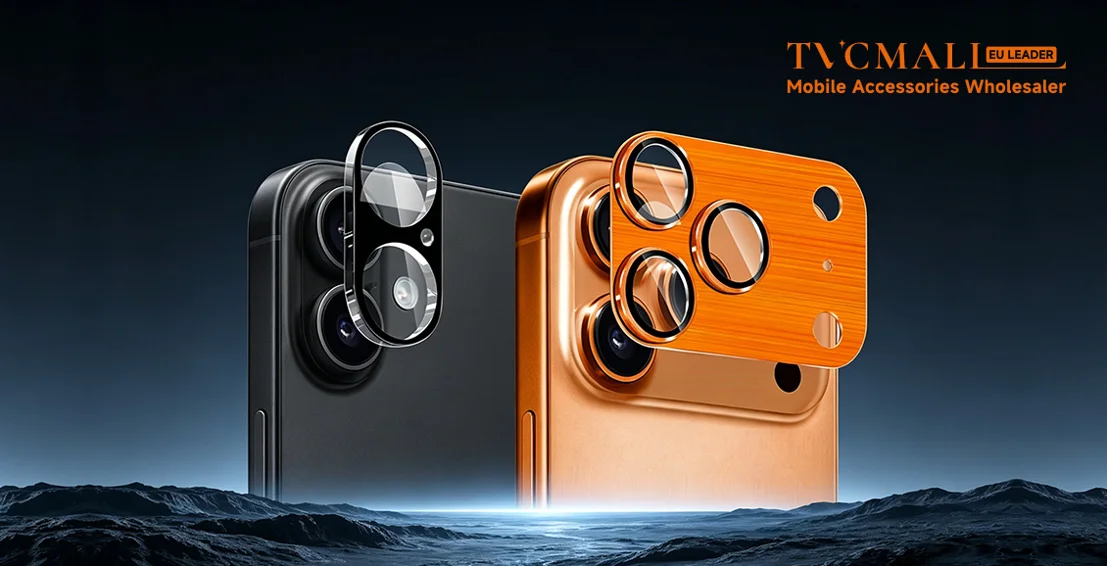
Les iPhone d'Apple sortent régulièrement avec des systèmes d'appareil photo de plus en plus perfectionnés, des îlots caméra différents et des améliorations dans les matériaux et la qualité des objectifs. Avec des objectifs plus grands et des bosses surélevées, en particulier, les composants sont davantage exposés aux rayures, à la poussière et aux dommages causés par l'usage quotidien. Les protections d'objectif sont un accessoire pratique à proposer aux utilisateurs et à stocker pour les revendeurs spécialisés dans les accessoires mobiles, et TVCMALL est là pour vous accompagner du début à la fin dans la découverte de ce produit.
Tableau de compatibilité des protections d'objectif pour iPhone
| Modèle d'iPhone | Disposition de l'appareil photo | Compatibilité partagée |
|---|---|---|
| iPhone 17 Pro Max | Appareil photo triple | iPhone 17 Pro |
| iPhone 17 Pro | Appareil photo triple | iPhone 17 Pro Max |
| iPhone 17 | Appareil photo double | Aucune compatibilité partagée |
| iPhone 16 Pro Max | Appareil photo triple | iPhone 16 Pro |
| iPhone 16 Pro | Appareil photo triple | iPhone 16 Pro Max |
| iPhone 16 | Appareil photo double (vertical) | iPhone 16 Plus |
| iPhone 16 Plus | Appareil photo double (vertical) | iPhone 16 |
| iPhone 15 Pro Max | Appareil photo triple | iPhone 15 Pro |
| iPhone 15 Pro | Appareil photo triple | iPhone 15 Pro Max |
| iPhone 15 | Appareil photo double | iPhone 15 Plus |
| iPhone 15 Plus | Appareil photo double | iPhone 15 |
| iPhone 14 Pro Max | Appareil photo triple | iPhone 14 Pro |
| iPhone 14 Pro | Appareil photo triple | iPhone 14 Pro Max |
| iPhone 14 | Appareil photo double | iPhone 14 Plus |
| iPhone 14 Plus | Appareil photo double | iPhone 14 |
Toutes les protections d'objectif pour iPhone ne sont pas compatibles ni interchangeables entre elles. Comme pour les protections d'écran, certains modèles bénéficient de mises à jour et de changements de matériaux qui peuvent modifier la taille ou la position de l'objectif. Utiliser une protection inadaptée peut entraîner un mauvais ajustement, laissant l'objectif plus exposé aux risques de dommages.
Avec les récentes mises à jour d'iPhone au cours des dernières générations, il est préférable pour les revendeurs de choisir des modèles exacts lorsqu'ils approvisionnent des protections d'objectif. Même de petites différences dans le diamètre ou l'espacement des objectifs peuvent affecter le fonctionnement de l'appareil, la qualité d'image et la protection globale.
Comment sont fabriquées les protections d'objectif
Les protections d'objectif sont généralement fabriquées en verre trempé. Ce processus commence par des plaques de verre brut découpées en formes précises à l'aide de machines CNC. Après découpe, elles sont polies pour éliminer les bords tranchants et améliorer la clarté du verre. Le traitement de trempe consiste à chauffer le verre à haute température puis à le refroidir rapidement pour renforcer sa résistance aux chocs.
Après trempe, certaines entreprises ajoutent des traitements spéciaux comme des revêtements anti-traces, anti-rayures ou parfois anti-reflets. L'objectif est de préserver ou d'améliorer la clarté d'image. Une couche adhésive spéciale est appliquée au dos de la protection : elle doit être suffisamment collante pour maintenir la protection en place, mais assez douce pour être retirée sans endommager l'objectif.
Le contrôle qualité est l'étape la plus importante lors du choix d'un fabricant de protections d'objectif. Chaque lot doit être inspecté pour sa clarté, son épaisseur et son alignement, car même de petits défauts peuvent affecter les performances globales.
TVCMALL accorde une grande importance au contrôle qualité pour ses clients. Nous avons récemment visité l'un de nos partenaires fabricants pour observer le processus de fabrication de leurs protections d'objectif. Nous effectuons également systématiquement des contrôles qualité dans nos locaux avant l'expédition des produits à nos clients, afin de garantir qu'ils répondent à vos standards.
Comment installer une protection d'objectif pour iPhone
L'installation d'une protection d'objectif en verre trempé est relativement simple, mais il est essentiel de lire attentivement les instructions et de suivre chaque étape :
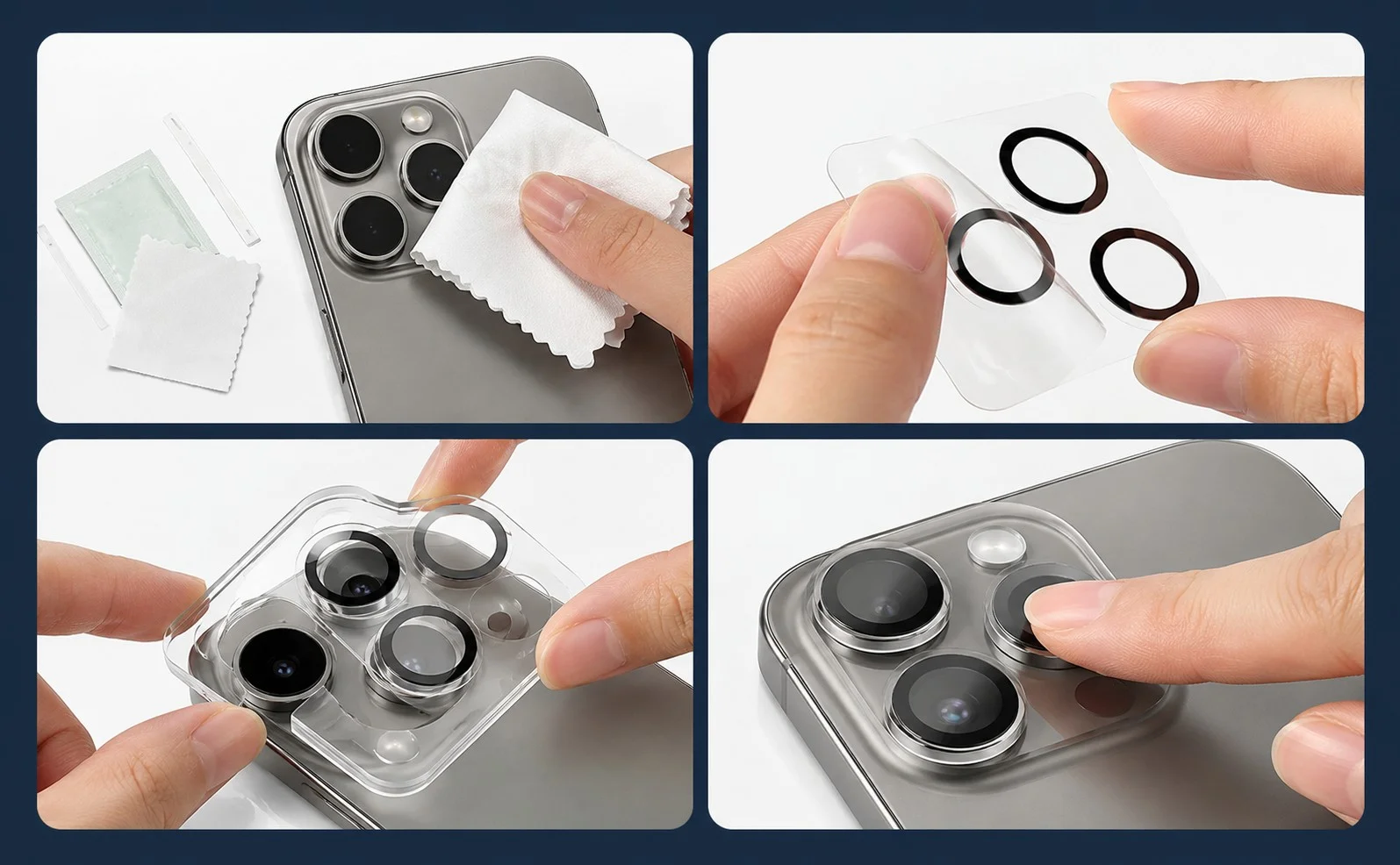
1. Nettoyez la zone de l'appareil photo avec un chiffon en microfibre et une lingette alcoolisée ou une lingette spéciale anti-poussière.
2. Retirez le film protecteur de la protection d'objectif.
3. Alignez soigneusement la protection avec les objectifs. Certains produits incluent des cadres ou guides d'alignement pour faciliter l'opération. Une fois alignée, appuyez doucement pour fixer la protection sur la zone des objectifs.
4. Appliquez une pression légère pour garantir un contact complet entre la protection et la surface.
Veillez à ne pas toucher la face adhésive pendant l'installation. Les empreintes digitales, la poussière et la saleté peuvent facilement s'y coller et provoquer des bulles d'air sous la protection.
Comment retirer une protection d'objectif pour iPhone
Le retrait de la protection doit être effectué lentement pour éviter tout dommage. Commencez par soulever un coin avec l'ongle ou un outil en plastique. Évitez le métal, qui pourrait rayer l'objectif. Une fois un coin soulevé, retirez délicatement la protection de la surface de l'objectif.
Comment choisir une protection d'objectif du point de vue d'un revendeur
En tant que revendeur, il est important d'équilibrer qualité et prix selon les attentes des clients. Les protections en verre trempé sont largement préférées car elles sont durables et transparentes. L'acrylique est une alternative plus économique, mais plus sujette aux rayures comparé au verre trempé.
L'emballage et la facilité d'installation influencent également les décisions d'achat. Les produits incluant des kits de nettoyage et des outils d'alignement sont plus attractifs que la simple protection. Souvent, les clients qui achètent une protection d'objectif sont également susceptibles d'acheter des protections d'écran pour iPhone en même temps, ce qui incite les revendeurs à considérer ces deux catégories lors de la gestion des stocks.
Un fournisseur fiable est le choix le plus important pour un revendeur. TVCMALL est un des principaux fournisseurs mondiaux d'accessoires mobiles, fier de proposer une qualité constante, un stock stable et étendu, ainsi qu'un excellent service client. Nous souhaitons voir votre entreprise PROSPÉRER. Contactez-nous dès aujourd'hui.
FAQ
Les protections d'objectif fonctionnent-elles vraiment ?
Oui ! Elles empêchent les rayures, les petits chocs et l'accumulation de poussière liés à l'usage quotidien.
Les protections d'objectif réduisent-elles la qualité d'image ?
Les protections d'objectif de haute qualité sont conçues pour maintenir la clarté et la transmission de la lumière vers l'objectif. Il est crucial d'utiliser des produits de qualité, car les matériaux de moindre qualité peuvent provoquer des reflets et réduire la clarté de l'image.
Laisser un commentaire
Votre adresse e-mail ne sera pas publiée. Les champs obligatoires sont marqués *

Restez à jour avec TVCMALL en gros
Abonnez-vous gratuitement à notre blog et obtenez des conseils d'experts, des aperçus de l'industrie et les meilleurs choix de gros. Augmentez vos ventes avec TVCMALL dès aujourd'hui !